
What is a doula?
A doula is a trained professional who provides continuous, non-medical support — emotional, physical, and informational — to a person and their family before, during, and after birth, or during other pivotal moments of life.
Doulas do not practice medicine. We do not deliver babies, we do not perform exams, and we do not give medication. Our role is comfort, presence, guidance, and advocacy — alongside your care, not instead of it.
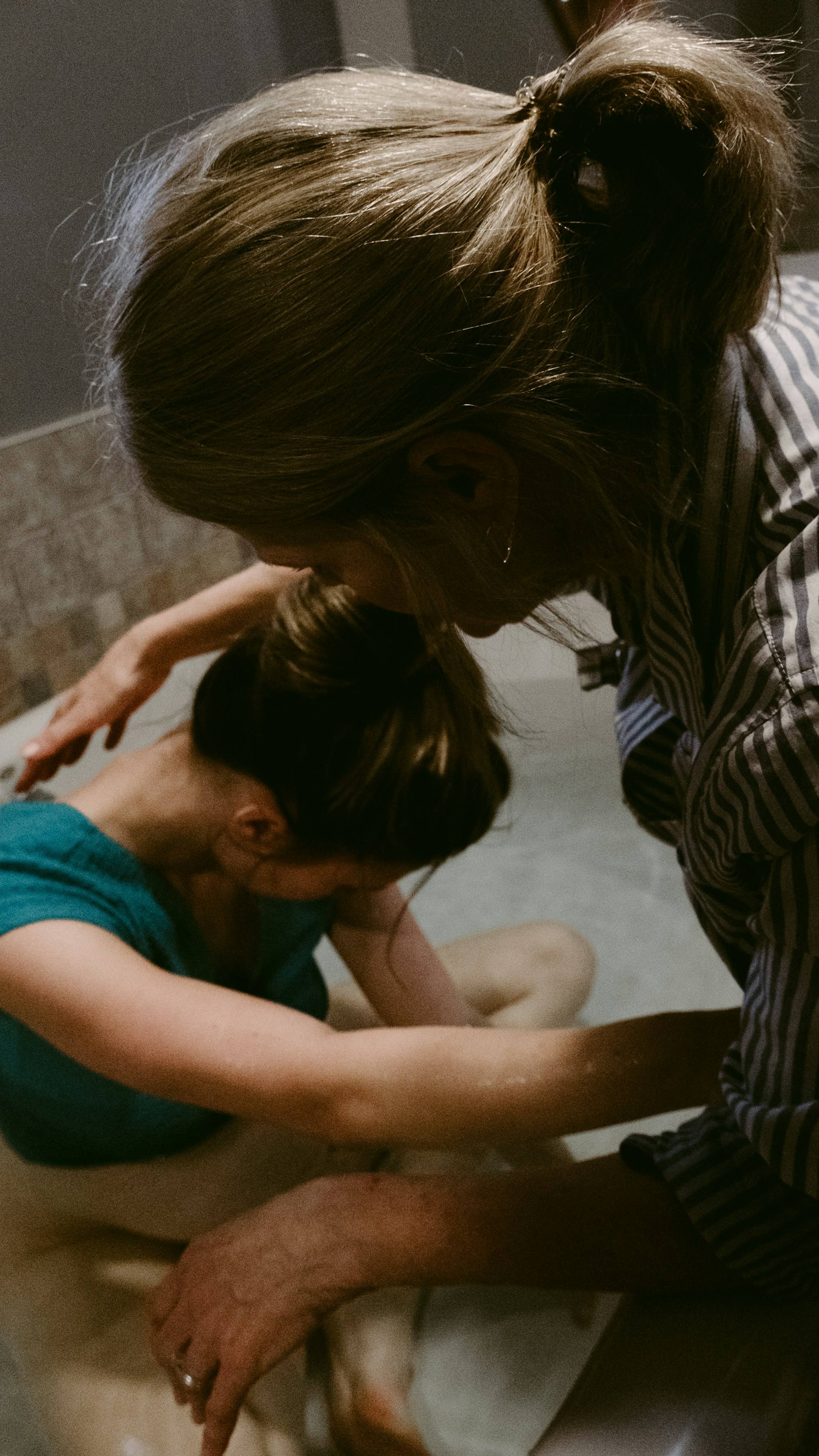
The role, in black and white
A simple rule: we add, we never take. Here is what yes, and what no.
What a doula does
- Stays with you continuously during labor and birth
- Offers hands-on comfort: positions, movement, massage, breathing
- Explains what is happening, in plain language, and helps you ask questions
- Helps you voice your preferences to your medical team
- Supports your partner and family so they can stay present
- Helps you prepare a birth plan that reflects your wishes
- Supports you through any kind of birth — with or without medication
- Cares for you in the first hours and weeks after birth
- Refers you to trusted professionals when a need goes beyond us
What a doula does not do
- Does not perform medical exams or clinical procedures
- Does not deliver babies
- Does not give or advise on medication
- Does not give medical advice or medical diagnoses
- Does not make decisions for you — your choices stay yours
- Does not replace your doctor, nurse, or midwife
You keep your medical team. We add the continuity.
Four roles at a birth, four different fibers. Who does what?
Doctor
Provides medical care, manages health in pregnancy, and delivers your baby.
Nurse
Monitors clinical well-being in labor — assigned by your hospital.
Midwife
Licensed clinical professional providing prenatal care and, in many settings, delivery.
Doula
Trained, non-medical companion — continuous comfort, encouragement, and advocacy.
The five pillars of doula support
Whatever your birth looks like, this is what an ESMAH doula brings — throughout pregnancy, labor, and the weeks that follow.
Emotional and psychological support
Encouragement that doesn't waver, a calming presence by your side, and a safe, judgment-free space to voice your fears, questions, and stress.
Physical comfort
Positions and movement during labor, gentle massage, counter-pressure, and breathing and relaxation techniques that help you manage pain at your own pace.
Accompaniment and advocacy
We help you express your preferences and your questions to the medical team, so your voice is heard and your decisions remain yours.
Partner support
We guide and reassure the partner and the family, so they can stay involved, present, and confident — never sidelined.
Orientation and information
Plain-language explanation of how labor unfolds, evidence-based resources, and referrals to other professionals — lactation consultants, childbirth classes, and more.
Still wondering if a doula is for you?
That's exactly what the free first conversation is for. Ask anything — no pressure, no obligation.